
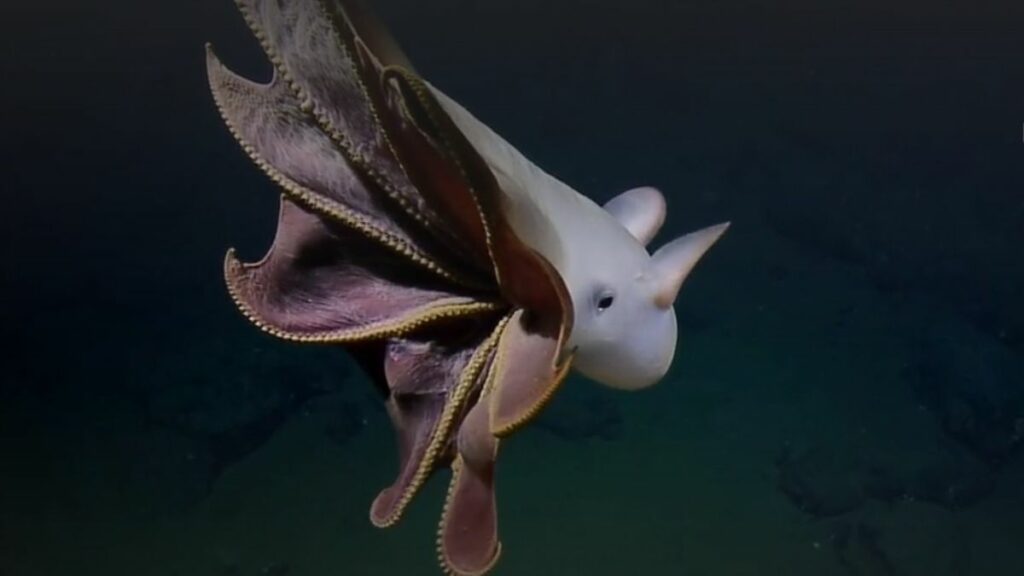
Le lieu de vie du poulpe dumbo
Où vivent ces mignonnes créatures des abysses? Retrouvez toutes les réponses à vos questions ici.
L’importance de l’habitat du poulpe Dumbo
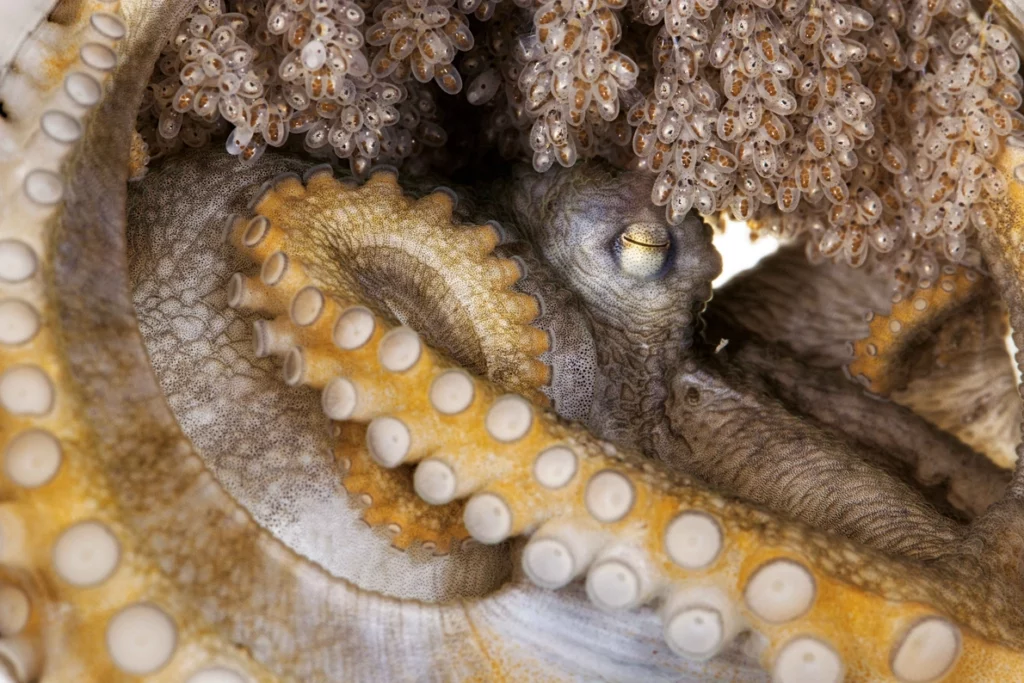
L’habitat des poulpes Dumbo se situe dans les plaines abyssales les plus profondes. En effet, ce milieu offre une protection contre les prédateurs de surface. De plus, cette zone est calme et stable toute l’année. par ailleurs, nous étudions comment ce cadre favorise la reproduction des poulpes Dumbo. De ce fait, la survie de l’espèce dépend directement de la qualité de son environnement.
Les caractéristiques de l’habitat du poulpe Dumbo
Cet environnement se compose de sédiments meubles et de coraux froids. d’abord, les femelles cherchent des points d’ancrage solides. Ensuite, elles fixent leurs œufs sur les branches des éponges. Toutefois, la pollution plastique menace aujourd’hui l’habitat du poulpe Dumbo. Ainsi, protéger les fonds marins est devenu une priorité pour les biologistes. Par conséquent, chaque observation nous aide à mieux comprendre ce lien vital.


Le rôle crucial des coraux profonds
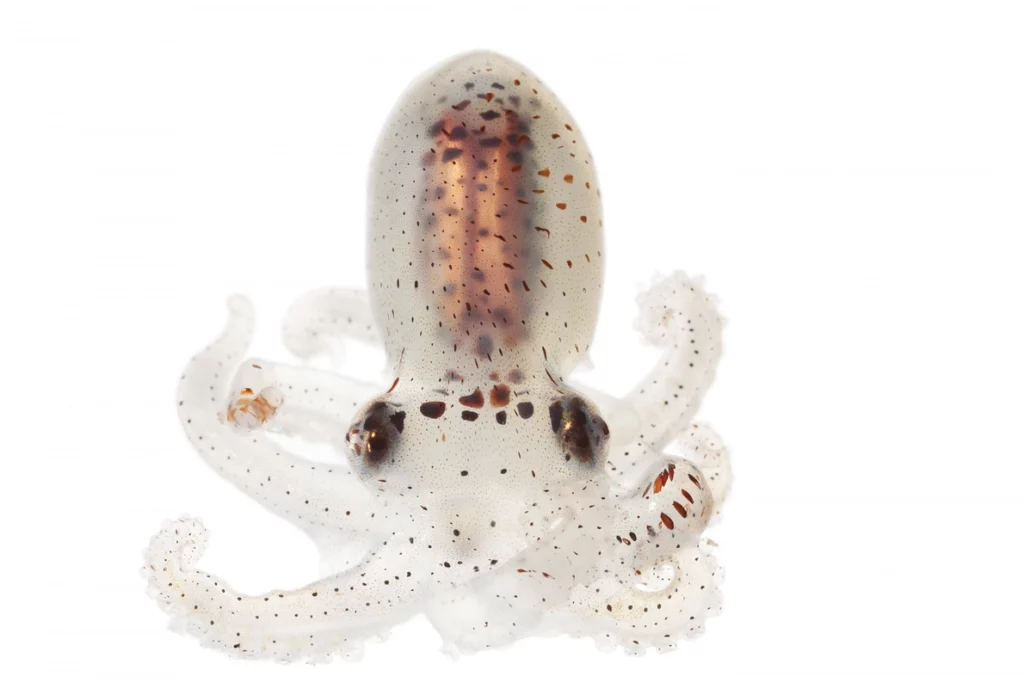
L’habitat du poulpe dumbo ne se limite pas au sable des profondeurs. d’abord, il apprécie particulièrement les jardins de coraux froids. Ces structures offrent un abri contre les courants marins. Ensuite, les éponges de mer servent aussi de refuge naturel. Toutefois, ces écosystèmes sont extrêmement fragiles et croissent très lentement.
Ces récifs jouent un rôle majeur dans la reproduction des poulpes dumbo. En effet, les femelles fixent solidement leurs œufs sur les branches coralliennes. Par ailleurs, ces supports protègent les embryons pendant plusieurs mois. ainsi, L’habitat physique influence directement le succès de l’éclosion.
Questions sur le cadre de vie du poulpe Dumbo
- Le poulpe Dumbo peut-il vivre près des côtes ?
Non, cet animal est strictement abyssal. Par ailleurs, son corps gélatineux ne supporterait pas les variations de température des eaux peu profondes.
- L’habitat influence-t-il la saison des amours ?
Dans les abysses, il n’y a pas de saisons. De ce fait, la reproduction des poulpes dumbo se déroule en continu toute l’année. En effet, les conditions de vie restent identiques jour après jour. Ainsi, l’habitat stable permet une ponte régulière sans interruption climatique.
Les secrets des nurseries sous-marines
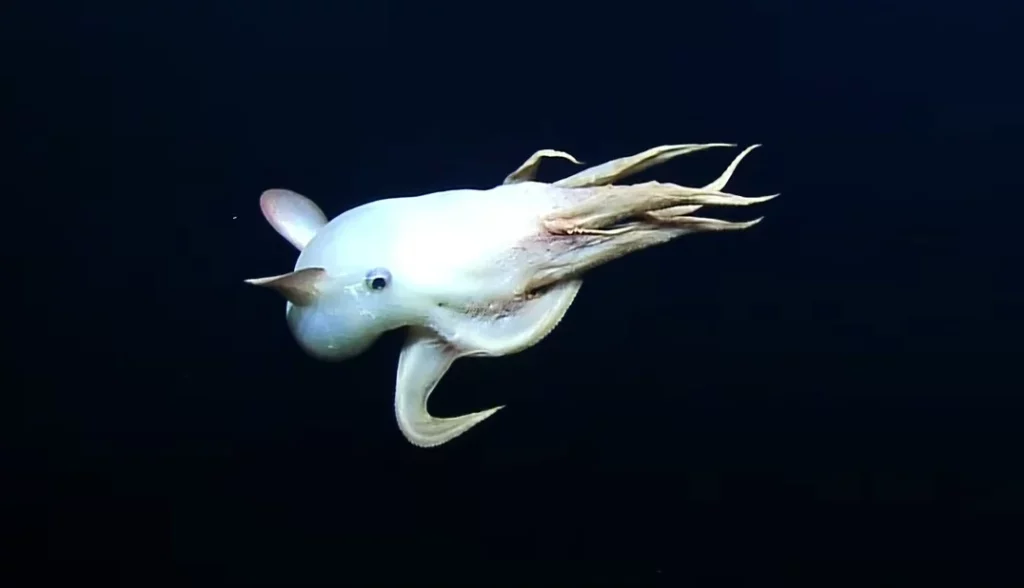
Le poulpe Dumbo choisit son lieu de vie avec soin. En effet, il préfère les zones où le courant est très faible. Ces endroits calmes protègent les œufs des débris marins. De plus, la température de l’eau y est constante toute l’année. Par ailleurs, cette stabilité thermique favorise le développement des embryons. De ce fait, l’habitat profond devient une véritable nurserie naturelle.
Ces conditions idéales soutiennent la reproduction des poulpes Dumbo. Pourtant, les sites de ponte restent difficiles à localiser pour les scientifiques. Ainsi, la protection de ces zones vierges est une priorité absolue. Par conséquent, chaque découverte sur leur cadre de vie aide à préserver l’espèce. De plus, la propreté de l’eau garantit une éclosion réussie pour les futurs petits.